
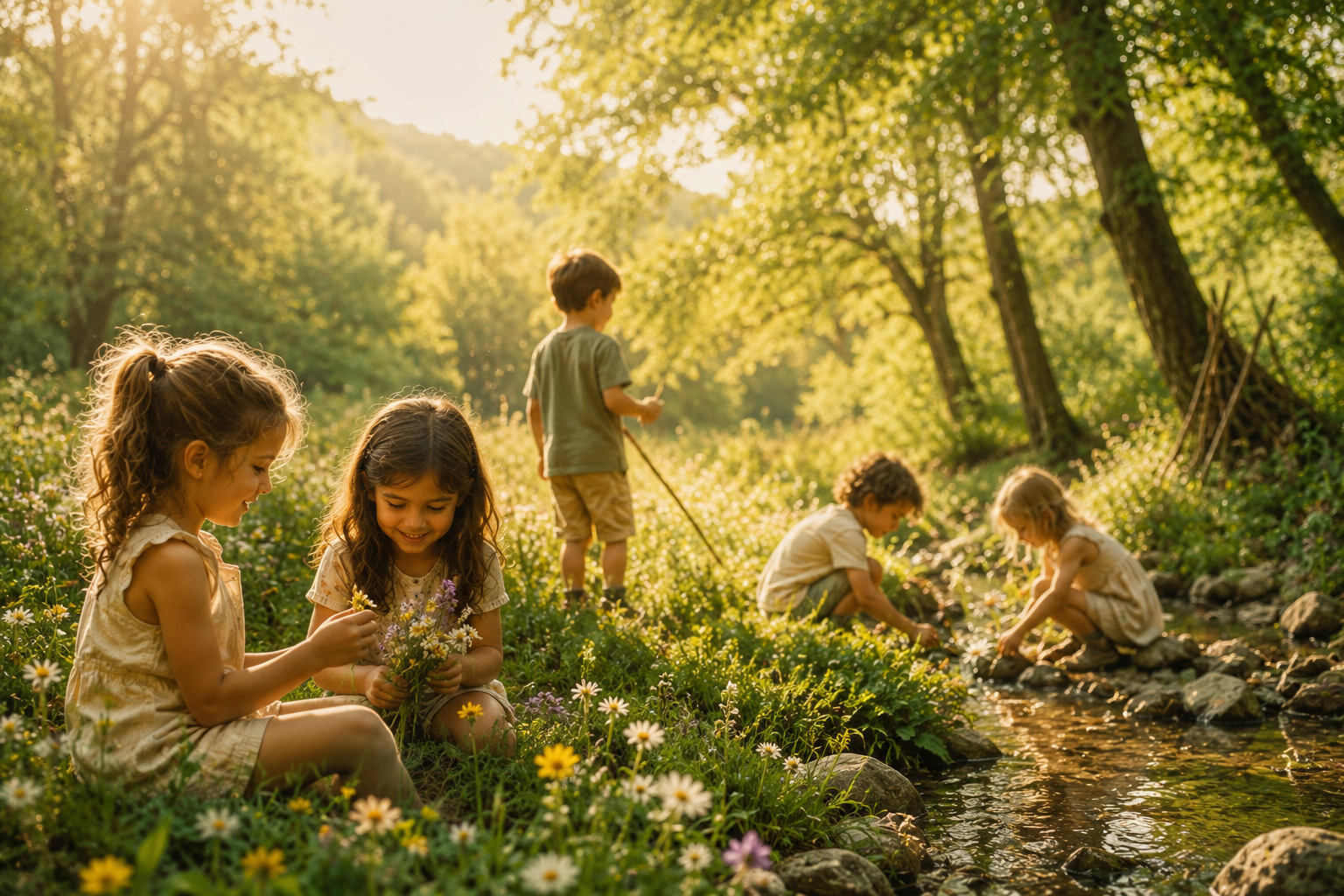
There are moments in life when we quietly look around and wonder if something is changing. For me, that change isn’t found in technology, artificial intelligence, or the fast pace of the world around us. I see it in our children. Many children today seem different. They are curious, independent, and often question authority. Some seem to know things without anyone teaching them. They ask questions that leave parents searching for answers, and sometimes it feels as though there is an old soul living inside a young body.
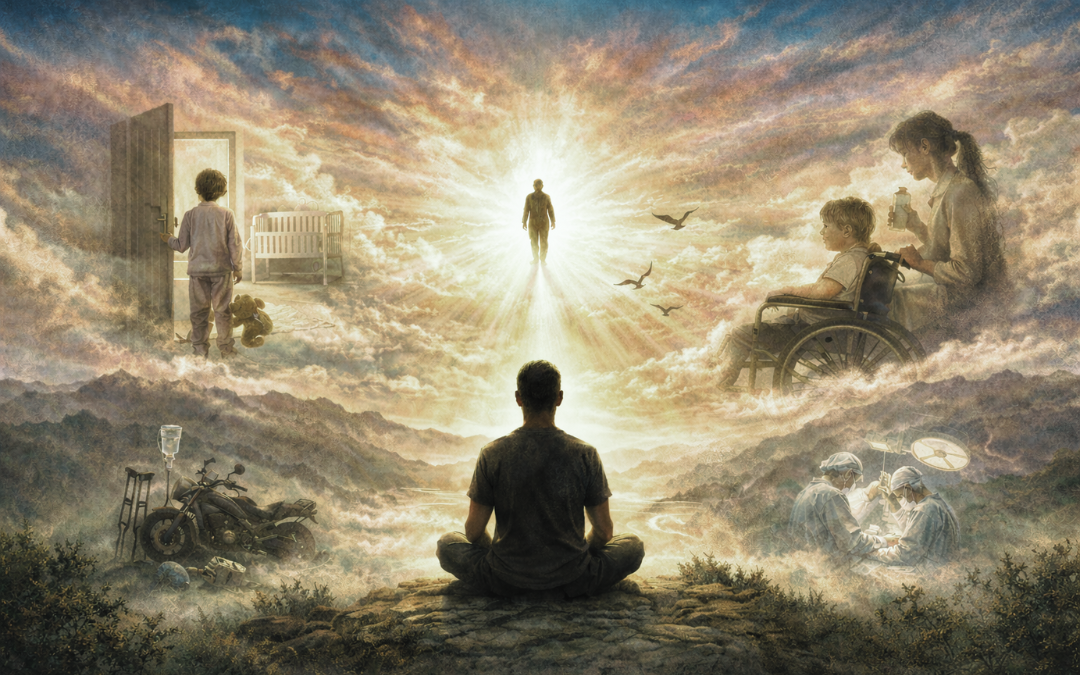
For many years, I carried the feeling that I was somehow different. Not better than anyone else, just different. I questioned things that others seemed to accept without hesitation. I felt emotions deeply, noticed details that many overlooked, and often struggled to understand why I never quite fit into society’s expectations. As I grew older, I became deeply drawn to spirituality. It felt familiar, as though something inside me recognized it. While the physical world often felt limiting, the spiritual world gave me a sense of belonging.
Everything changed again when I watched my nieces and nephews grow up. Seeing the world through their eyes awakened my own inner child. I became passionate about understanding children because I didn’t want them to experience the same misunderstandings I had growing up.
During that journey, I discovered the concepts of Indigo, Crystal, and Rainbow children, often grouped together under the name Starseeds. Whether these ideas are viewed spiritually, psychologically, or simply as helpful ways of understanding different personalities, one thing became very clear to me:
Many children today experience the world differently than previous generations.
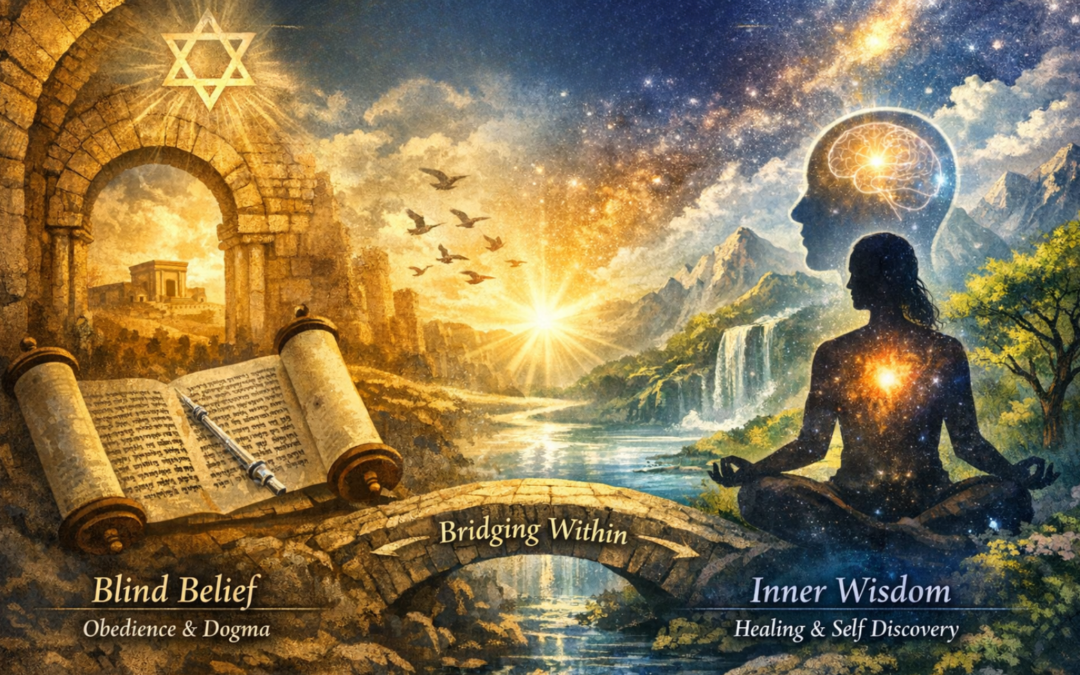
Children are changing, but our systems have been slow to follow – For generations, parenting focused largely on obedience. Children were expected to listen, follow instructions, and fit into the systems adults created. Schools were designed for a different time, when memorization, routine, and conformity were considered the most important skills. Most parents do the very best they can. They usually raise their children either the way they were raised or the complete opposite because they don’t want to repeat the mistakes of their own childhood.
The truth is, there is no “one-size-fits-all” approach to parenting. Today’s children seem to be asking something different from us. They ask deeper questions. They notice inconsistencies. Many want more independence and time to explore who they are. Some feel overwhelmed by loud environments, conflict, or emotional tension. Some possess incredible creativity but struggle in rigid educational systems. Others naturally show empathy beyond their years or feel deeply connected to nature, animals, and the emotions of those around them.
Instead of asking; “How do we make these children fit our systems?” perhaps we should begin asking, “Are our systems still designed for the children who are arriving today?”
Starseed Children
Within many spiritual communities, these children are sometimes described as Indigo, Crystal, and Rainbow children.
- Indigo children are often believed to challenge outdated systems. They question authority, seek fairness, and are not afraid to ask, “Why?”
- Crystal children are often described as gentle healers. They tend to be compassionate, emotionally sensitive, intuitive, and naturally drawn toward peace and harmony. Many believe they are here to introduce new ways of living with kindness and understanding.
- Rainbow children are associated with joy, creativity, optimism, and unconditional love. They remind us that happiness, play, and imagination are not distractions from life—they are part of living a meaningful one.
Whether you believe these descriptions literally or simply see them as archetypes, they point to an important truth:
Not every child learns, feels, or grows in the same way.
Unfortunately, many children who think differently or learn differently are quickly labeled or expected to fit into systems that were not designed for them. Sometimes they subscribed with unnecessary medication instead of understanding the core of each child.
- Perhaps learning happens when both the brain and the soul are ready.
- Perhaps not every child is meant to learn in exactly the same way or at exactly the same pace.
- A New Understanding Is Emerging
In recent years, many researchers, psychologists, and therapists have begun recognizing that children have different temperaments, sensitivities, learning styles, and emotional needs.
Ideas such as highly sensitive children, emotional intelligence, attachment-based parenting, trauma-informed care, and neurodiversity have encouraged professionals to move away from asking,
- “What’s wrong with this child?” and instead ask,
- “What is this child trying to communicate?”
To me, that is a beautiful shift. Rather than immediately correcting behavior, more parents, teachers, and therapists are beginning to understand the child behind the behavior. That simple change can transform a child’s life.
Every Child Deserves to Be Seen
One of the greatest gifts we can offer a child is not perfection – it is understanding.
Perhaps they need movement before they can concentrate, quiet before they can learn, encouragement to build confidence, or simply someone willing to listen without judgment. Some may not be interested in learning what the traditional education system has to offer, and that is okay. Every child learns differently and at their own pace.
Children are not unfinished adults waiting to become “complete.” They are already complete human beings, discovering who they are. In fact, I believe adults often have just as much to learn from children as children have to learn from adults.
Every child deserves to be respected, understood, and encouraged to become the person they came here to be.
The terms Indigo, Crystal, and Rainbow children are used by many spiritual teachers to describe what they believe are new souls. I use these terms because they deeply resonate with my own life and experiences.
For me, the label isn’t what matters, The message does.
Perhaps these children didn’t come to fit into the world we created. Perhaps they came to inspire us to create a better one, and maybe our greatest responsibility is not to teach them how to become like us, but to remain open to what they came here to teach us.
Sometimes the greatest teachers don’t stand at the front of a classroom, they arrive as children.






0 Comments